The engineers of yesteryear spent hours painstakingly drawing the intricacies of designs for bridges, buildings and other infrastructure. With slide rules and log tables as the tools of trade, engineers navigated the boundaries of physics and mathematics to bring the iconic forms of their day to life. The engineer 2.0 then emerged using CAD and other digital tools to do the same, faster and with greater accuracy. They solved increasingly more complex questions, with the results being even more sophisticated and efficient infrastructure to satisfy the needs of ever-growing populations. As many of these digital tools become more advanced and automated, and even self-learning, the engineer must now evolve even further to ensure their relevance in a digital economy. Standing at the dawn of an age of new intelligence, could the machines they helped design actually disrupt the engineers that created them? Is this a cruel irony of cannibalising your own profession and, if so, what does the next generation of engineers actually look like?
“What do you want to be when you leave school?” In the past, the traditional, most ‘respectable’ answer to this important question was ‘a doctor’ or ‘a lawyer’. A career which required ‘creativity’ was frowned upon, risky and certainly not lucrative. But all of this is changing. It has to change. Tomorrow’s economy will be one in which creativity isn’t the preserve of the artists, designers or writers. The traditionally ‘left-brained’, ‘conservative’ and ‘safe’ will require a very different toolkit to survive, and thrive. Defying stereotypes is fast becoming an essential skill of employable graduates, including engineers.
The widely supported #IlookLikeAnEngineer campaign was a powerful demonstration of the fact that even in 2016, our definition of what those who work in tech should look (and act) like hasn’t evolved enough. A year ago, Isis Wenger, a female platform engineer, was featured in a recruitment campaign which sparked derisive comments from complete strangers and exposed hidden assumptions about what an engineer should look (and act) like. Isis went on to issue a call to engineers and those in the tech industry far and wide: “Do you not fit the ‘cookie-cutter’ mould of what people believe engineers should look like? I invite you to help spread the word and help us redefine ‘what an engineer should look like’.” With that, the hashtag #ILookLikeAnEngineer” was born, with thousands posting pictures of themselves across social media in order to defy stereotypical formats.
It is clear that an evolution is needed, but what do we need to change? What will engineering look like in the future?
Engineering must become more important
While digital disruption might be rendering certain aspects of engineering obsolete, the profession has never before been as critical to human progress as it is today. Singaporean engineer Chade-Meng Tan writes in his article Wanted: Jolly good engineers that “The word ‘engineer’ comes from the Latin words ingeniare and ingenium. Simply put, an engineer is someone who uses his or her ingenuity…to change the world. Engineers solve some of the world’s toughest problems.”
He goes on to say that like every other metropolis in the world, Singapore faces many challenges:climate change, energy scarcity, land scarcity, to name a few. As they reinvest the time gained from the help of digital tools, engineers will solve these. It will be engineers who are going to figure out how to incorporate artificial intelligence, robotics and wearable devices into our infrastructure and communities to propel us towards smart nation status, and even smart world. It will be engineers who will be behind efforts to curtail emissions and drive energy efficiency after ratification of the climate change agreement. It will be engineers who will figure out how to comfortably fit a growing population into limited land space.
Engineers need to stop solving problems
If engineering is going to solve the problems of tomorrow, there’s a desperate need to practice problem finding today.Engineers are trained to be good problem-solvers, but too often they wait for people to tell them about the problem that needs to be solved. Tomorrow’s clients (and communities) will look for unconventional thinkers who will look them in the eye and say ‘You’ve got an issue, but you’ve identified the problem wrong’. These unconventional thinkers will have a desire to challenge the norm and shape ideas in the pursuit of what might be possible if we forget former paradigms and ways of thinking. They will have an ability to pull back the lens for clients seeking to invest in the future.
Engineers will need to embrace a different toolkit

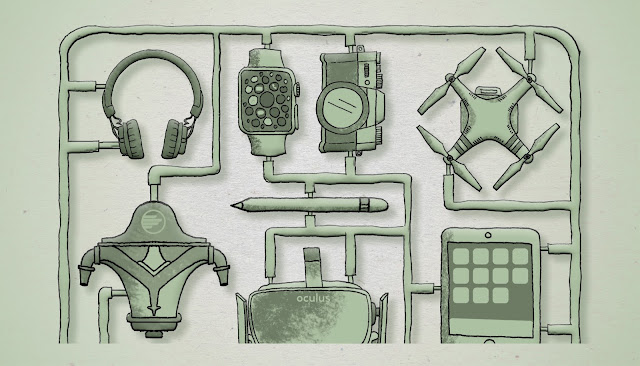
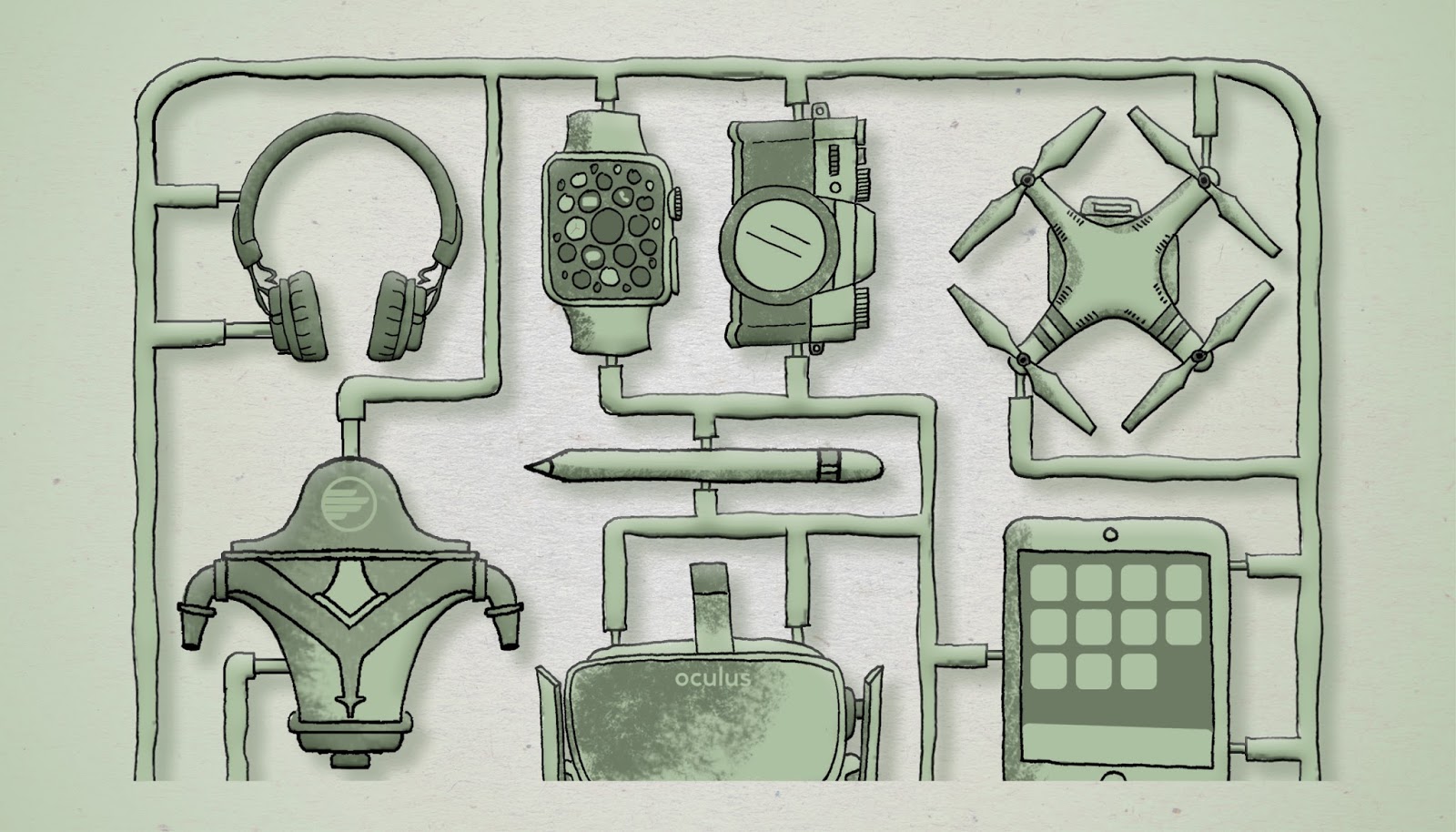
While a steady hand and straight lines differentiated the draughtsperson of yesteryear, times are changing. Fast forward to 2020, and sought-after engineering companies may have a team of game developers on staff to facilitate better community engagement. They’ll have an army of graphic designers developing inputs for 3D and augmented reality products; and they may even employ professional artists who can bring to life visions of the future as inputs into infrastructure designs.Successful companies will be those who invest in their staff as they hone the skills clients are already telling them they require in future.
The MBA has recently been redesigned to face the modern world. The volatility and uncertainty in business is best navigated using the theories of design. Isn’t it about time that engineering schools similarly reinvented themselves? Where many of the basic functions of engineering will be performed by a self-learning computer in future, and not an engineer, the engineer will have to become an interpreter and translator of new complex technologies into business applications. This will demand creativity as a core skill and will see the engineer creatively apply technology to solve an unmet need. Creativity as an engineer is no longer an oxymoron, but the new secret ingredient to keeping engineers where we as a society need them….finding the future for us all.
Engineers have a very exciting future ahead, but it’s a future that is in jeopardy. Unless engineering companies evolve, ‘an engineer’ will cease to be a viable answer to the question: “What do you want to be when you leave school?” An engineer’s time to fight back is now, and it is tenacious, relentless problem finding and a different toolkit that will lead to a brighter future.
For the LATEST tech updates,
FOLLOW us on our Twitter
LIKE us on our FaceBook
SUBSCRIBE to us on our YouTube Channel!