Visa is expanding its Agentic Ready programme across Asia Pacific, moving from issuer preparation into the merchant-acceptance systems needed to handle transactions initiated by artificial-intelligence agents.
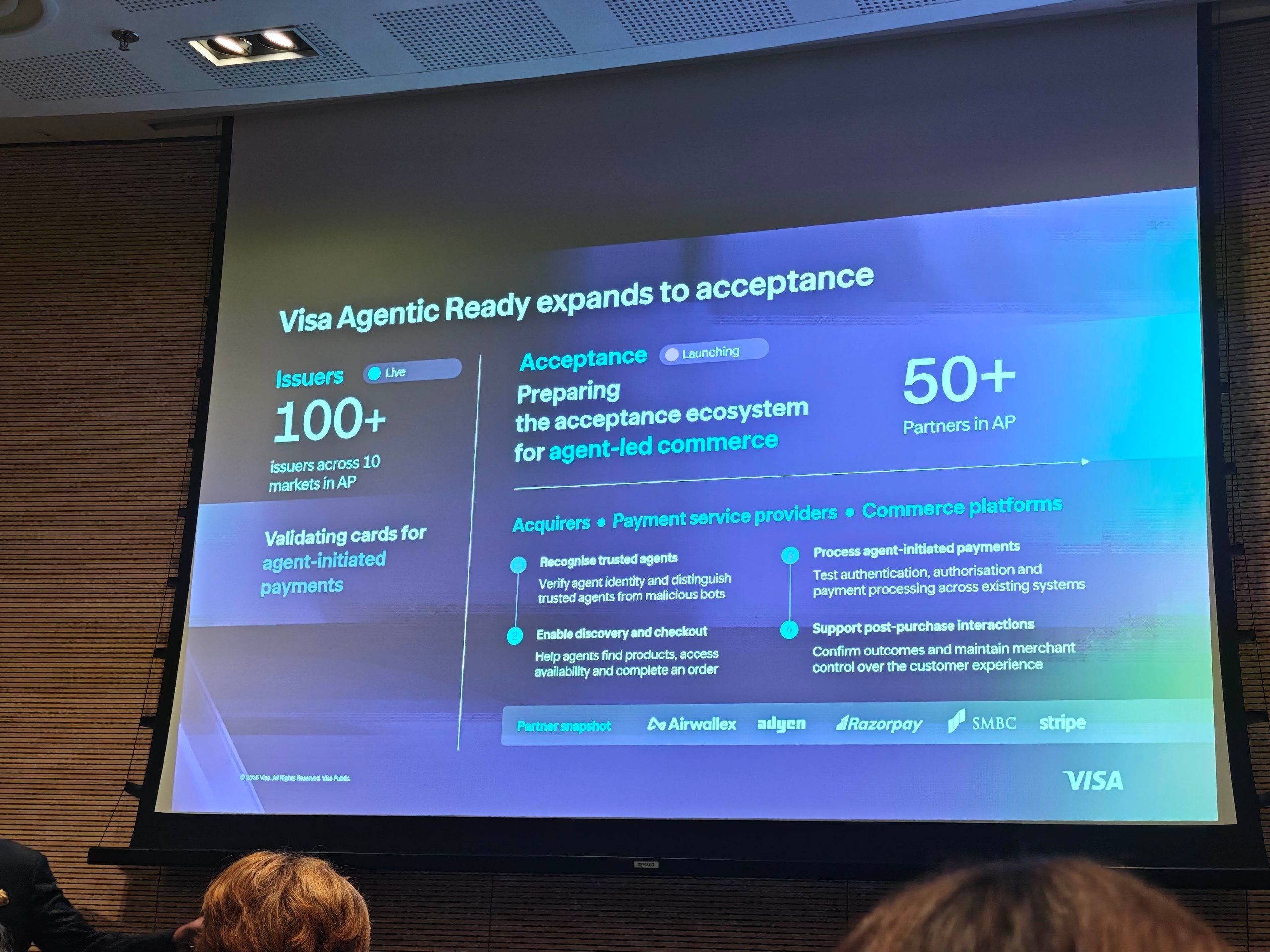
The second phase launches with more than 50 participants, including acquirers, payment-service providers, gateways, banks and selected merchants. Visa says additional partners are expected to join during 2027.
The programme does not mean autonomous shopping is broadly available to Visa cardholders today. It is a testing and readiness initiative intended to establish how merchants and payment providers recognise a trusted agent, decide what it may access, complete checkout and support customers after a purchase.
Acceptance becomes the next readiness test
Visa launched the first Asia-Pacific Agentic Ready phase in April 2026 with a focus on issuers. According to the company, more than 100 issuers across 10 regional markets have since joined that controlled, production-grade programme using Visa credentials.
The acceptance phase shifts attention to the other side of a transaction. Participating organisations will assess their existing systems, run agent-initiated Visa transactions in real-world environments and identify gaps in their commerce and payment flows.
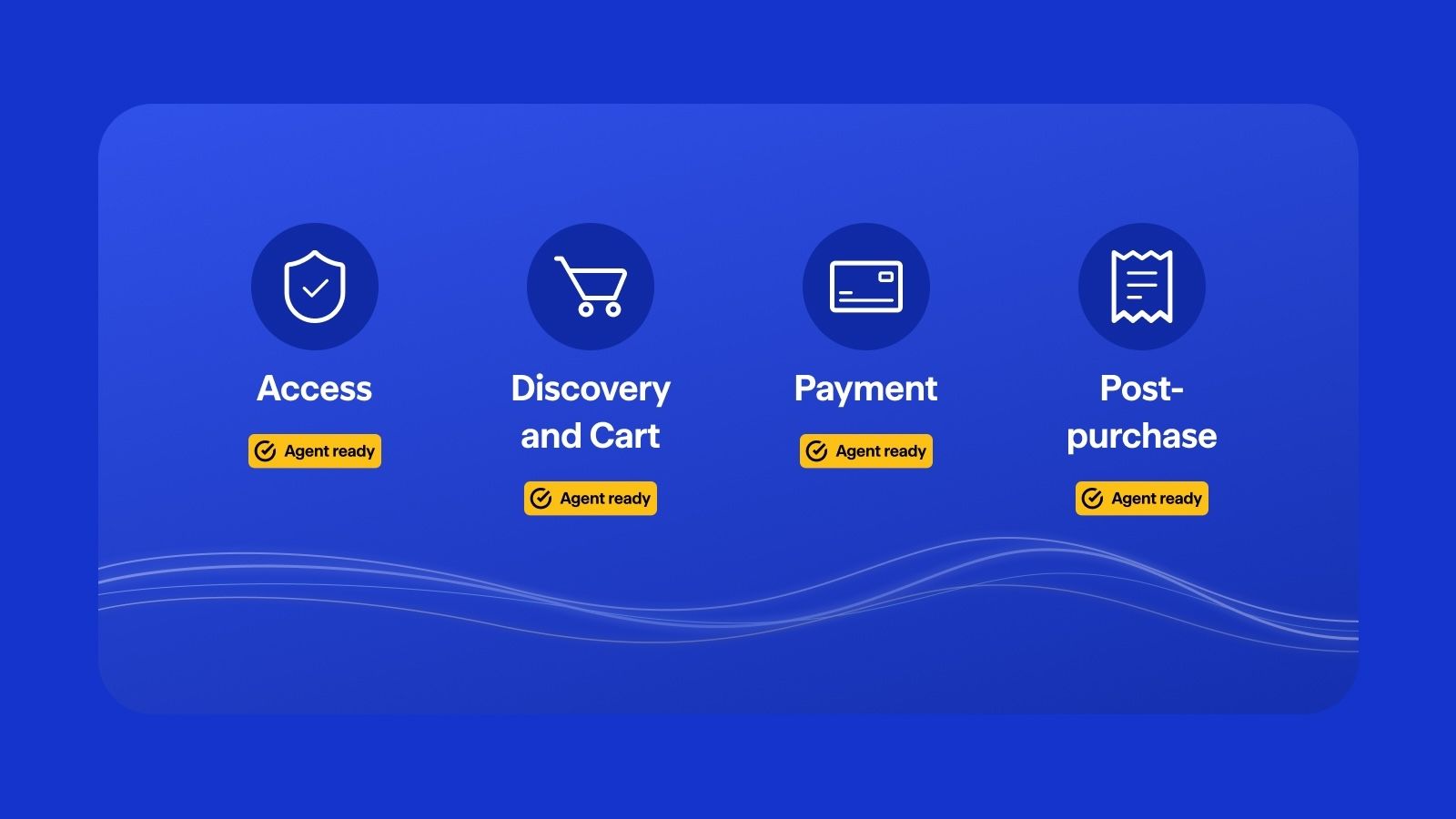
Testing is expected to cover trusted-agent recognition, product discovery, cart building, checkout and post-purchase service. Payment-specific work includes tokenised credentials, authentication and transaction processing. These are areas where an AI agent acting for a consumer needs explicit permissions and reliable identity signals; a conventional browser session or card credential alone does not prove that an automated agent is authorised to buy.
More than 50 payment and commerce participants
The acceptance group named by Visa spans regional and global providers. It includes 2C2P by Antom, Adyen, Airwallex, Allinpay Merchant Services, AsiaPay, AXS, Checkout.com, DBS Bank, Fiserv, FOMO Pay, Maybank, NETS, Nuvei, OCBC, Pine Labs, Razorpay, Stripe, UOB, Xendit and other banks, acquirers, gateways and payment specialists.
Visa is separately working with commerce and agentic-enablement companies including Atlas Kitchen, CardInfoLink, Cleverbridge, Eats365 POS, Juspay, Pivota, Reap Technologies, Set Sail AI, Shoplazza and SHOPLINE. That work examines how agents can find merchant products, assemble carts and connect to checkout and payment in practical commerce experiences.
The breadth of the list matters because acceptance is fragmented. A merchant may rely on a gateway, an acquirer, a commerce platform, a fraud system and multiple credential or authentication services. Agent-initiated payments will need interoperable signals across those layers if they are to work consistently.
Visa ties the work to its existing payment controls
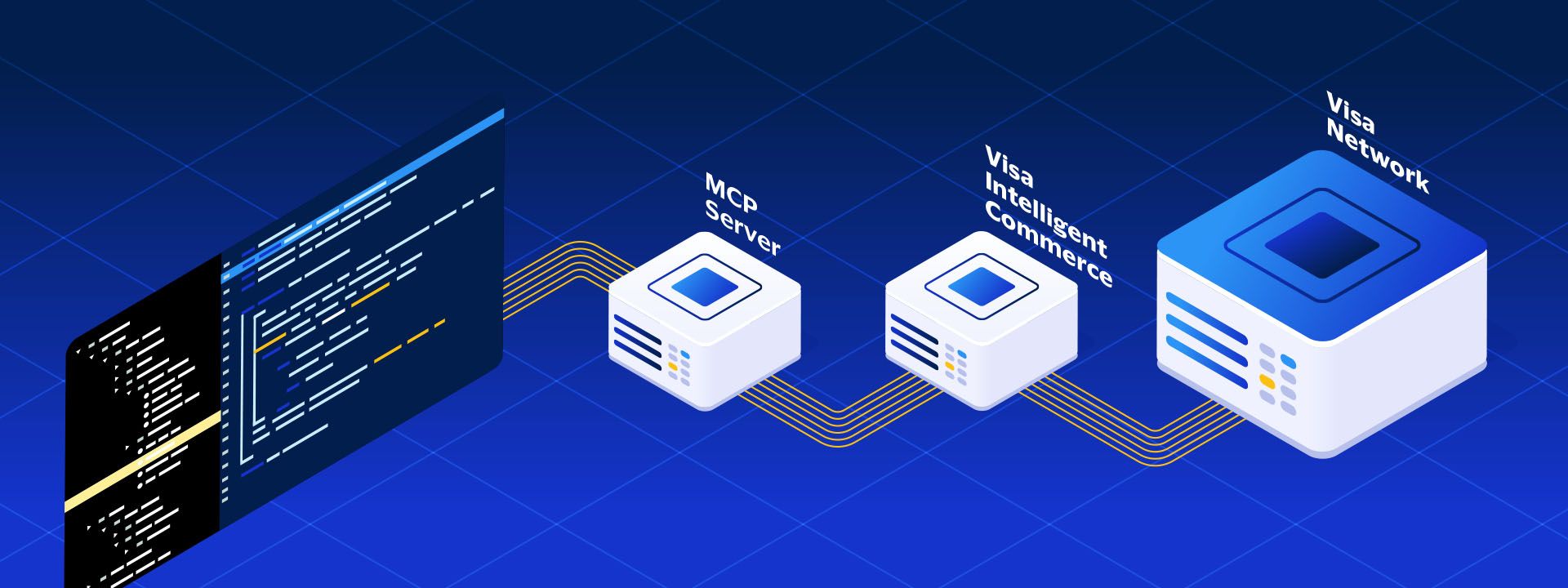
Agentic Ready sits under Visa Intelligent Commerce, the company’s broader portfolio for AI-mediated shopping and payment. Visa says the programme combines its existing work in tokenisation, authentication, risk management and network controls with testing carried out by merchants and payment partners.
The Visa Acceptance Platform is intended to support functions across the payment lifecycle, including omnichannel acceptance, credential management, fraud protection and dispute resolution. Visa also identifies Intelligent Commerce Connect as a way to connect agents and commerce platforms across payment networks and schemes.
Those descriptions are Visa’s account of planned capabilities, not independent evidence that agentic transactions are already secure at scale. The release does not provide completed transaction volumes, fraud rates, conversion results or a date when consumers in each market will be able to delegate purchases to an AI assistant.
Trust and user control remain the unresolved questions
For merchants, recognising a trusted agent is only one part of the problem. Systems also need to determine whether an agent has permission for a particular merchant, amount or product category, and what happens when an order needs to be changed, returned or disputed.
Consumers will also need clear visibility into what an agent is authorised to do and a practical way to revoke that authority. Tokenised credentials and transaction authentication can reduce exposure of raw card details, but they do not by themselves define the limits of an agent’s purchasing mandate.
Visa’s 2027 expansion window gives the programme time to test those operational questions with a wider set of participants. The next useful evidence will be named production launches, market-specific availability, measurable payment and fraud outcomes, and details of the controls exposed to cardholders.
Source: Visa, “Visa Expands Agentic Ready to Help Scale Trusted AI Commerce in Asia Pacific”, issued in Singapore on 18 November 2026. Programme scale, participant names and capability descriptions are company claims; The Tech Revolutionist has not tested an Agentic Ready transaction.